Business Name: FootPrints Home Care
Address: 4811 Hardware Dr NE d1, Albuquerque, NM 87109
Phone: (505) 828-3918
FootPrints Home Care
FootPrints Home Care offers in-home senior care including assistance with activities of daily living, meal preparation and light housekeeping, companion care and more. We offer a no-charge in-home assessment to design care for the client to age in place. FootPrints offers senior home care in the greater Albuquerque region as well as the Santa Fe/Los Alamos area.
4811 Hardware Dr NE d1, Albuquerque, NM 87109
Business Hours
Monday thru Sunday: 24 Hours
Facebook: https://www.facebook.com/FootPrintsHomeCare/
Instagram: https://www.instagram.com/footprintshomecare/
LinkedIn: https://www.linkedin.com/company/footprints-home-care
Families seldom begin their look for care with a neat list. It often starts with a particular moment, like the day Mom stops driving, or a fall that brings everyone to the table. That's when the choice between in-home senior care and assisted living becomes real, with flexibility becoming the decisive element. Versatility isn't simply scheduling, it is the ability to form every day life, preserve identity, and adjust as health needs modification. After years of working along with households and senior caregivers in both settings, I have actually seen where each shines and where compromises creep in. The response isn't universal, however the shapes of the decision are.
What flexibility suggests when care gets personal
When people say they want versatility, they typically suggest a handful of practical things. The first is control over routine, from wake-up times to meal choices. The second is customization of assistance: how tasks are done, by whom, and how typically. The third is versatility, the ease with which care expands or shrinks as needs shift. The fourth is continuity, keeping the very same senior caregiver or personnel team who understand the person's preferences. Lastly, flexibility consists of choice in environment-- the familiar rhythm of home versus the predictability of a community setting.
Not every design provides similarly on those points. In-home care, often called senior home care or elderly home care, tends to stand out at customizing, while assisted living typically excels at structure. Which one much better fits your loved one depends on whether their well-being prospers on routine or on customization.
The day-to-day rhythm: routine vs personalization
In assisted living, routines are enhanced to serve numerous locals safely. That efficiency can be handy for folks who gain from steady structure. Medication passes follow a set schedule. Meals are prepared at specific times. Activities occur on a calendar. That rhythm decreases mayhem, which is particularly valuable for homeowners with mild cognitive problems who do better with foreseeable cues.
In-home care turns the equation. The home care service wraps around the person's existing life instead of the other way around. If Dad constantly made oatmeal at 10 a.m. and watched the noon ballgame with a turkey sandwich, a senior caretaker can keep that pattern undamaged. If a gentle morning matters more than a repaired wake-up, the schedule can shift appropriately. For many older adults, this connection eases stress and anxiety and maintains company. It also accommodates peculiarities that make life feel like one's own: a preferred mug, the pet asleep by the chair, a hallway that's browsed in the dark without thinking.
I dealt with a retired baker in his late 80s who liked pre-dawn hours. In assisted living, night staffing was restricted, and baking at 4 a.m. wasn't practical. In the house, his caretaker changed the schedule to reach 3:30 a.m. two times a week, preheat the oven, and monitor while he determined flour and talked about sourdough. That routine didn't simply feed his body, it fed his identity. Flexibility like that is tough to reproduce in a neighborhood setting without bending many rules.
Staffing realities: who shows up, and how often
Continuity of caregivers matters more than a lot of families expect. Rapport decreases agitation, speeds up care jobs, and improves safety. In home care, connection normally hinges on the company's scheduling practices and the hours you request. Short, spread shifts can cause more rotation. Longer blocks or live-in arrangements typically mean less faces at the door. I have actually seen households who focused on consistent staffing accept slightly higher weekly hours than strictly needed, simply to protect a small, steady group. The benefit is available in trust and smooth routines.
Assisted living communities have a different staffing design. Caregivers support numerous homeowners at once, rotating by shift. Even outstanding neighborhoods see turnover due to the realities of healthcare staffing. Residents might engage with a lots or more staff members throughout a week, from med techs to assistants to dining personnel. The upside, particularly for social personalities, is that they meet many individuals. The drawback is less consistency in who provides intimate care like bathing or toileting. For homeowners with dementia who count on familiar faces, this can be a sticking point.
Scheduling flexibility: the clock as a tool, not a master
If you desire real control over timing, at home senior care typically wins. Required help just on weekdays from 7 to 9 a.m. and nights from 8 to 10 p.m.? An agency can structure the calendar around those windows. Required somebody to accompany a spouse to medical consultations two times a month? Easy to designate. Wish to dial up care throughout post-surgery rehab, then taper back? You can adjust week by week.
Assisted living provides versatility inside a framework. You can request help with activities of daily living like bathing, dressing, or medication reminders, however those services are usually provided according to staffing workflows. Calling for help at odd hours is possible, simply limited by how many staff are available. If a resident regularly requires two-person transfers or continuous redirection due to roaming, the neighborhood might require a greater care level or advise memory care, which changes both cost and environment.
One caregiver I supervised supported a lady who slept throughout the day and was large awake from 10 p.m. to 3 a.m. She wasn't risky, simply alert and chatty. In the house, we set up awake overnight care 3 nights a week, then stood down when her circadian rhythm supported. That sort https://spencerfmgl702.theburnward.com/home-take-care-of-elderly-vs-assisted-living-innovation-and-remote-tracking of flexible coverage is made complex in assisted living, where overnight staffing concentrates on safety checks rather than extended discussion and engagement.
Personalization of jobs: how it's done, not just whether it's done
Care isn't a checklist, it is a series of little choices. Clothes laid out the night before or chosen spontaneously. Shower or sponge bath. Lotion with lavender or odorless. In-home care lets those preferences be the default. The home itself becomes a care strategy: the height of the bed, the path to the restroom, the cooking tools that make arthritis less painful. This level of detail is the daily heartbeat of senior home care, and it can be adjusted any time.
Assisted living personnel certainly strive for person-centered care, and many neighborhoods do a strong job with life histories and preference tracking. The difference is capacity. With 10 homeowners to support per caretaker on a busy shift, there's only a lot space for bespoke routines. The system prioritizes security and timeliness, which in some cases means "good enough" rather than just-so. For some residents, that is absolutely fine. For others, specifically those who value control, it can seem like friction.
Social life: integrated community vs curated connections
Social engagement keeps brains sharp and spirits raised. Assisted living excels at ready-made social opportunities: workout classes, music hours, lectures, crafts, outings. For seniors who thrive around peers, this is a huge benefit. Transport is generally offered, and events are on-site. For a widower who became isolated at home, I viewed the modification in posture and tone after a week of dynamic lunches and afternoon trivia. Social friction developed into social fuel.
In-home care takes a various course. There is no integrated neighborhood, but a senior caretaker can assist in connections that match the individual's interests. That might be a weekly coffee club, a faith community, or a ceramics class with transportation and support baked in. Grandchildren can drop by without checking out hours. Neighbors remain part of the day-to-day landscape. It requires more orchestration, but it also avoids the "I don't like bingo" circumstance by concentrating on what the person actually enjoys.
The shy engineer who disliked group activities in a community later on thrived at home when his caregiver structured a twice-weekly walking regimen through a regional park and a small model-train club meetup. Social life doesn't need to imply crowds, it can be the right 2 people at the best time.
Health complexity and the arc of care
Flexibility is just useful if care can equal altering needs. In-home care scales more specifically. Households can begin with 2 hours a day for meals and medication suggestions, then stretch to 24-hour coverage or live-in support when movement decreases. With home-based physical therapy, visiting nurses, and hospice services, many older adults handle innovative illness in your home safely. The key is coordination. When signs escalate, you include capacity. When they recede, you scale back.
Assisted living can deal with a surprising amount of requirement, especially in neighborhoods with numerous care levels. Nevertheless, specific thresholds set off transitions, such as roaming risk, frequent falls requiring two-person helps, or behavioral symptoms that strain staffing. At that point, the neighborhood might advise memory care or experienced nursing. Moves can be disruptive, though some campuses offer smooth shifts within the same organization.
One reality check: 24/7 in-home care can be more costly than assisted living, depending upon the marketplace. In areas where private-duty hourly rates hover between 28 and 40 dollars, ongoing protection adds up quickly. Assisted living usually bundles room, board, and a base care level into a month-to-month cost, often lower than 24/7 individually care. The counterpoint is that earlier, lighter home care can be cost-efficient, and families can regulate hours to stretch budgets while still getting targeted support.
Safety, technology, and the home environment
Safety is a pillar, not a footnote. Assisted living facilities are created for accessibility, with grab bars, call systems, larger corridors, and staffed reaction. Home environments can be made more secure, however it needs a strategy: getting rid of trip dangers, reinforcing bathrooms, changing lighting, and organizing furniture thoughtfully. A home care service often includes a safety evaluation, and little modifications like motion-sensor nightlights or a raised toilet seat make a big difference.
Technology adds another layer of versatility in your home. Remote tracking, medication dispensers with informs, door sensors for nighttime wandering, and video check-ins can turn two hours of caregiver time into 4 hours of coverage by bridging the gaps. Not every household wants electronic cameras or sensing units, and authorization matters, but the toolkit is robust and can be tailored to the person, not the population.
Privacy and autonomy
Privacy tends to be greater in your home. Even with a caretaker present, you manage the threshold. Visitors come when invited. The day can include peaceful stretches without disturbance. For introverts or anyone who treasures privacy, this autonomy feels like air. Assisted living offers private apartment or condos, however the environment is shared, and life hums outside the door. Personnel arrive for checks and services, next-door neighbors pop by, and activities flow through common spaces. Numerous locals like that hum. Others find it tiring.
Autonomy also covers "how things are done." In-home care supports those who want to keep doing tasks with a little training, such as measuring ingredients or sorting laundry, which maintains function longer. In assisted living, tasks are done efficiently for security and speed. That's not a flaw, it's a style option, but it affects the person's sense of agency.
Family involvement and caretaker bandwidth
Home care invites family participation by themselves terms. A daughter may manage bills and drug store pickups, while an expert caregiver manages bathing and mobility. Households can drop in, share meals, and learn strategies from the senior caretaker. The other hand is that coordination falls on the family, at least at first. Lining up schedules, communicating changes, and making sure backup protection exists when a caretaker is sick requires attention.
Assisted living eases much of that coordination. Medication management, meals, housekeeping, and emergency situation response are centralized. Families can concentrate on visits and emotional assistance rather than running a small logistics company. That relief deserves a lot, specifically for adult children who work full-time or live far away. The trade-off is less granular control over the day-to-day.
Cost, clarity, and the long game
Comparing expenses can be difficult due to the fact that the line products vary. At home, you spend for hours of care, plus the typical expenses of preserving a home. Assisted living bundles housing, utilities, meals, and a base level of care, then adds tiered fees for additional services. A reasonable comparison begins with actual requirements instead of hypotheticals.
As a broad picture:
- Light in-home care, such as 12 to 20 hours per week for meal preparation, friendship, and trips, frequently costs less than assisted living and protects independence. Moderate in-home care, around 40 to 60 hours a week, can be comparable to or greater than assisted living, however it purchases personalization and one-on-one attention. Continuous in-home care, whether live-in or 24/7 shifts, generally surpasses the expense of assisted living, often significantly, though family participation and technology can offset some hours.
Long-term, ask two questions. Initially, which model much better aligns with the individual's identity and preferences? Second, which design is more versatile to foreseeable modifications in health? The very best plan often mixes both, beginning with senior home care in the house, then transitioning to assisted living when social needs and security concerns surpass the benefits of staying put.
When assisted living is more flexible, surprisingly
Assisted living earns points for versatility in 2 particular situations. The very first is social flexibility. For someone who desires varied activities without preparation, a community provides more spontaneous choices than home care can quickly reproduce. The second is staffing resilience. If one team member is ill, the neighborhood backfills. In the house, protection gaps can take place, particularly if your care plan depends on one or two crucial caretakers. Strong agencies have contingencies, however you'll feel the disruption more acutely at home.
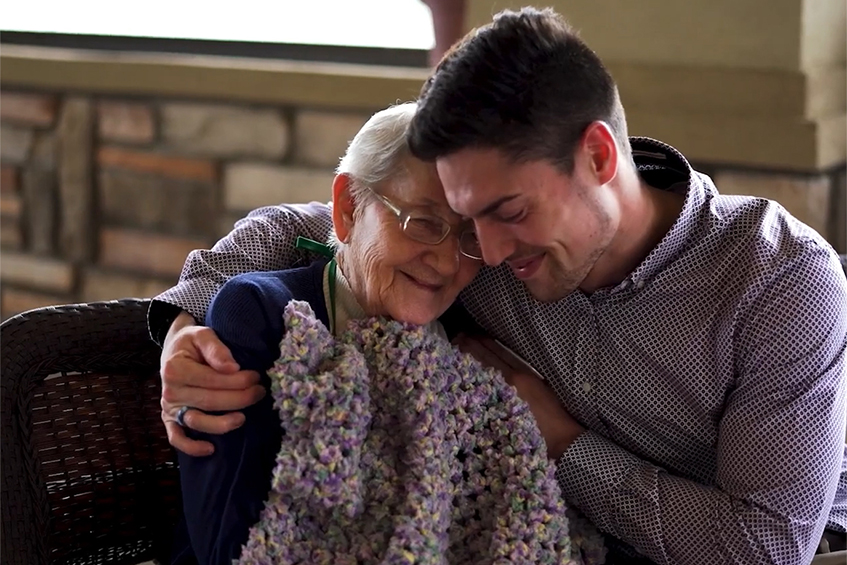
Communities also handle abrupt needs at odd hours with on-site staff. If Dad has a nosebleed at 2 a.m., someone can check quickly. In-home care can match that just if coverage is scheduled or you have a reliable on-call plan. For some families, that integrated safeguard is the most significant versatility of all.
When in-home care shines brightest
In-home senior care is most flexible when the top priority is preserving day-to-day routines and environments. It shines for individuals who:
- Value control over little routines and dislike group schedules. Have a strong assistance network nearby that can collaborate with caregivers. Need targeted assistance throughout particular windows, like mornings and evenings. Live with a partner who also benefits from remaining at home. Experience anxiety or confusion in brand-new environments, which can be decreased by remaining put.
A past client was a retired instructor with moderate dementia who restored self-confidence once we streamlined her home, labeled drawers, and set up consistent early morning check outs. She preserved her garden with gentle guidance, consumed familiar meals, and hosted a weekly tea with previous associates. That type of customized life is tough to mass-produce.
The choice through the lens of change
The best choice today might not be the very best option in eighteen months. Develop a plan that assumes modification. If you pick home care, recognize limits that would set off a reassessment, like increased falls, new roaming habits, or care requirements surpassing two-person helps. Develop relationships with respite alternatives and, if possible, tour assisted living neighborhoods early so the idea isn't foreign if a shift becomes necessary.
If you choose assisted living, customize strongly within the system. Bring preferred furnishings, set up photo hints, fulfill the staff who will connect most, and share a one-page "About Me" describing regimens and likes. Inquire about versatility for late breakfasts or off-calendar walks. Explore whether your loved one can bring a personal senior caretaker for extra hours during a tough spot, a helpful supplement numerous communities allow.
Practical actions to test versatility in genuine life
Before signing an agreement or scheduling a start date, test the flexibility of each option with specific situations. Ask pointed concerns and observe how each setting responds. This moves the decision from theory to practice.
- For home care: Request a trial week with variable times, like 2 mornings and one late night. Determine how the agency handles changes, last-minute adjustments, and requests for a consistent caregiver. Inquire about backup coverage, reaction times for call-outs, and supervisor involvement. For assisted living: Arrange a respite stay or a day visit. Shadow a morning routine if permitted. Keep in mind how staff react to distinct preferences. Ask about response times at night, lodging for dietary quirks, and the procedure for adjusting care levels.
Family members typically observe their own stress levels shift throughout these trials. Focus on that information point. Flexibility is likewise about how sustainable the strategy feels for everyone involved.
Hidden levers that increase flexibility, whichever you choose
Flexibility isn't just structural, it is relational. Two levers matter most: communication and clarity.
At home, keep an easy log that stays on the kitchen area counter. Caretakers, household, and visiting clinicians can keep in mind modifications in appetite, state of mind, bathroom patterns, or sleep. Patterns emerge rapidly, permitting you to adjust hours or tasks without uncertainty. A weekly 10-minute check-in call with the company's care manager keeps small problems from becoming big ones.

In assisted living, present yourself to the department leads and the assistants who will remain in and out of the home. Share a short, favorable note about what works well, not just a list of needs. When staff comprehend that Mom's finest early mornings begin with coffee before discussion, they can adjust within their workflow. Many will try hard to honor sensible demands if they understand the why.
A well balanced way to think of it
People do not select a care design, they select a life. In-home care typically provides the highest flexibility where uniqueness and environment matter the majority of. It enables tailored senior care, control over the schedule, and one-on-one attention that changes like a dimmer switch instead of a toggle. Assisted living provides flexibility of a different kind: a ready-made social fabric, predictable services under one roofing, and resistant staffing that can deal with surprises without a scramble.
If your loved one illuminate in familiar rooms and loosens up when the day follows their pace, in-home care likely deals more significant versatility. If they perk up around peers, prefer not to count on household coordination, and want alternatives to engage without planning, assisted living may feel more liberating.
The honest evaluation beings in the specifics: their regimens, their health trajectory, your capability, and your budget plan. Walk through a week in detail. Put numbers to hours. Request a small pilot. Choose the course that maintains what matters most now, while sketching a believable Plan B. Versatility, after all, is not a slogan. It is the capability to bend without breaking as life modifications, and to keep dignity at the center while you do.
FootPrints Home Care is a Home Care Agency
FootPrints Home Care provides In-Home Care Services
FootPrints Home Care serves Seniors and Adults Requiring Assistance
FootPrints Home Care offers Companionship Care
FootPrints Home Care offers Personal Care Support
FootPrints Home Care provides In-Home Alzheimer’s and Dementia Care
FootPrints Home Care focuses on Maintaining Client Independence at Home
FootPrints Home Care employs Professional Caregivers
FootPrints Home Care operates in Albuquerque, NM
FootPrints Home Care prioritizes Customized Care Plans for Each Client
FootPrints Home Care provides 24-Hour In-Home Support
FootPrints Home Care assists with Activities of Daily Living (ADLs)
FootPrints Home Care supports Medication Reminders and Monitoring
FootPrints Home Care delivers Respite Care for Family Caregivers
FootPrints Home Care ensures Safety and Comfort Within the Home
FootPrints Home Care coordinates with Family Members and Healthcare Providers
FootPrints Home Care offers Housekeeping and Homemaker Services
FootPrints Home Care specializes in Non-Medical Care for Aging Adults
FootPrints Home Care maintains Flexible Scheduling and Care Plan Options
FootPrints Home Care is guided by Faith-Based Principles of Compassion and Service
FootPrints Home Care has a phone number of (505) 828-3918
FootPrints Home Care has an address of 4811 Hardware Dr NE d1, Albuquerque, NM 87109
FootPrints Home Care has a website https://footprintshomecare.com/
FootPrints Home Care has Google Maps listing https://maps.app.goo.gl/QobiEduAt9WFiA4e6
FootPrints Home Care has Facebook page https://www.facebook.com/FootPrintsHomeCare/
FootPrints Home Care has Instagram https://www.instagram.com/footprintshomecare/
FootPrints Home Care has LinkedIn https://www.linkedin.com/company/footprints-home-care
FootPrints Home Care won Top Work Places 2023-2024
FootPrints Home Care earned Best of Home Care 2025
FootPrints Home Care won Best Places to Work 2019
People Also Ask about FootPrints Home Care
What services does FootPrints Home Care provide?
FootPrints Home Care offers non-medical, in-home support for seniors and adults who wish to remain independent at home. Services include companionship, personal care, mobility assistance, housekeeping, meal preparation, respite care, dementia care, and help with activities of daily living (ADLs). Care plans are personalized to match each client’s needs, preferences, and daily routines.
How does FootPrints Home Care create personalized care plans?
Each care plan begins with a free in-home assessment, where FootPrints Home Care evaluates the client’s physical needs, home environment, routines, and family goals. From there, a customized plan is created covering daily tasks, safety considerations, caregiver scheduling, and long-term wellness needs. Plans are reviewed regularly and adjusted as care needs change.
Are your caregivers trained and background-checked?
Yes. All FootPrints Home Care caregivers undergo extensive background checks, reference verification, and professional screening before being hired. Caregivers are trained in senior support, dementia care techniques, communication, safety practices, and hands-on care. Ongoing training ensures that clients receive safe, compassionate, and professional support.
Can FootPrints Home Care provide care for clients with Alzheimer’s or dementia?
Absolutely. FootPrints Home Care offers specialized Alzheimer’s and dementia care designed to support cognitive changes, reduce anxiety, maintain routines, and create a safe home environment. Caregivers are trained in memory-care best practices, redirection techniques, communication strategies, and behavior support.
What areas does FootPrints Home Care serve?
FootPrints Home Care proudly serves Albuquerque New Mexico and surrounding communities, offering dependable, local in-home care to seniors and adults in need of extra daily support. If you’re unsure whether your home is within the service area, FootPrints Home Care can confirm coverage and help arrange the right care solution.
Where is FootPrints Home Care located?
FootPrints Home Care is conveniently located at 4811 Hardware Dr NE d1, Albuquerque, NM 87109. You can easily find directions on Google Maps or call at (505) 828-3918 24-hoursa day, Monday through Sunday
How can I contact FootPrints Home Care?
You can contact FootPrints Home Care by phone at: (505) 828-3918, visit their website at https://footprintshomecare.com, or connect on social media via Facebook, Instagram & LinkedIn
A ride on the Sandia Peak Tramway or a scenic drive into the Sandia Mountains can be a refreshing, accessible outdoor adventure for seniors receiving care at home.